5.0 Excellent
Dorine M11 months ago

Grateful experience
As a solo female traveler, I felt super safe and well taken care of the entire time.
Read more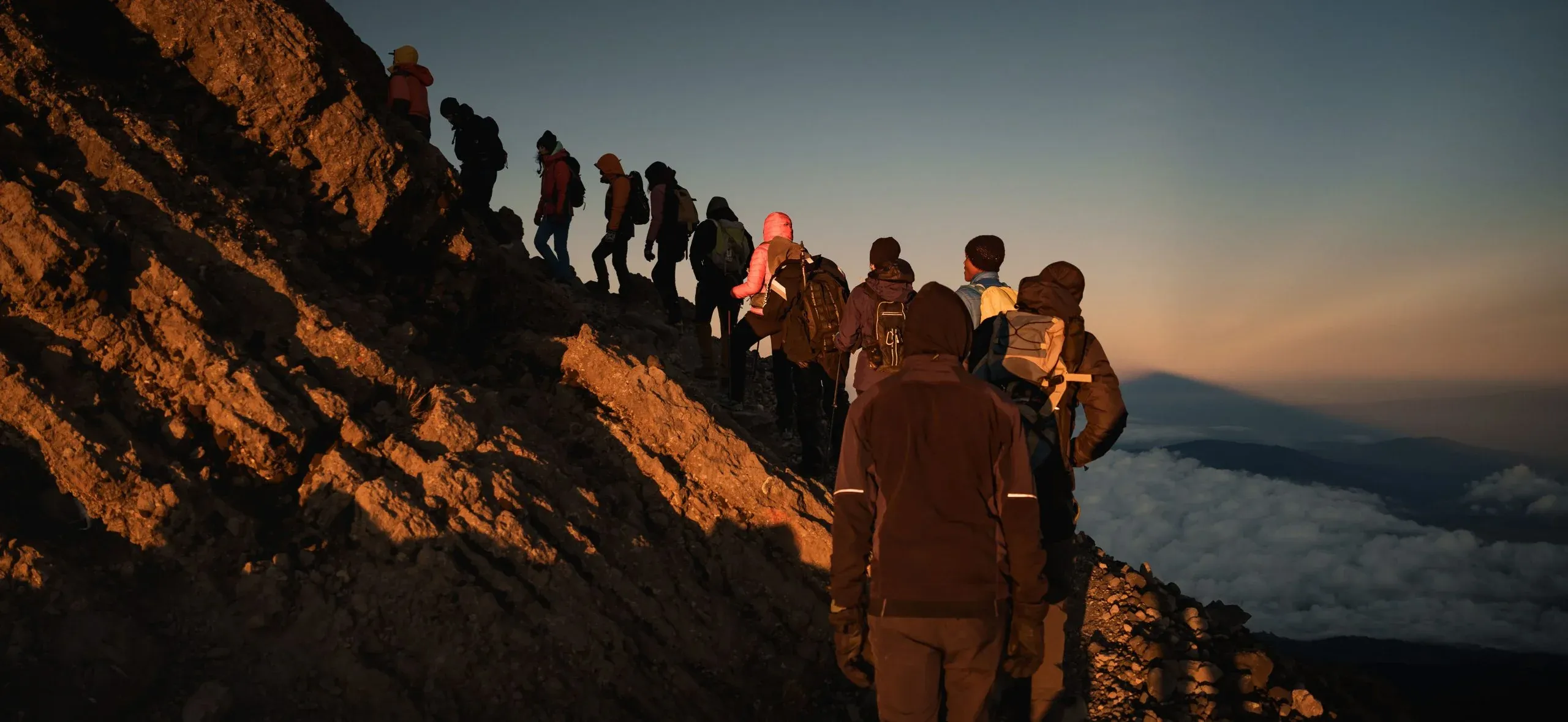
Kilimanjaro's most popular climb — a direct rainforest ascent with real acclimatization value along the way.
Machame is Kilimanjaro's most popular route — and for good reason. From the gate, it climbs directly through rainforest to Machame Camp, a steeper and more immediate start than the longer western approaches, before opening onto heath, moorland and alpine desert on the way to the Barranco Wall. It's a camping route throughout — there are no huts on Machame, only tents — and its "climb high, sleep low" profile through the Shira and Barranco stages gives real acclimatization value despite the more direct start. Being the most-used route on the mountain, expect more company on the trail than on quieter options like Lemosho, especially in peak season.
Machame is offered as a 6 or 7-day climb. The extra day on the 7-day version buys real acclimatization time, not just distance.
Combines the Barranco-to-Karanga and Karanga-to-Barafu legs into one longer day, keeping the trip shorter but leaving less margin before the summit push.
Best for: Climbers with some prior trekking or high-altitude experience
Splits that same stretch into two separate days, giving your body a proper rest at Karanga Camp before the final push to Barafu — a real, meaningful acclimatization advantage for one extra day on the mountain.
Best for: Most climbers, especially first-timers, who want the stronger acclimatization margin
The real camps used on the standard Machame itinerary, from the gate to the summit and back down.
The Whiskey Route
The most popular camping route — varied terrain and a good balance of scenery and challenge, with the 7-day option giving a real acclimatization edge over the 6-day version.
Camp by camp
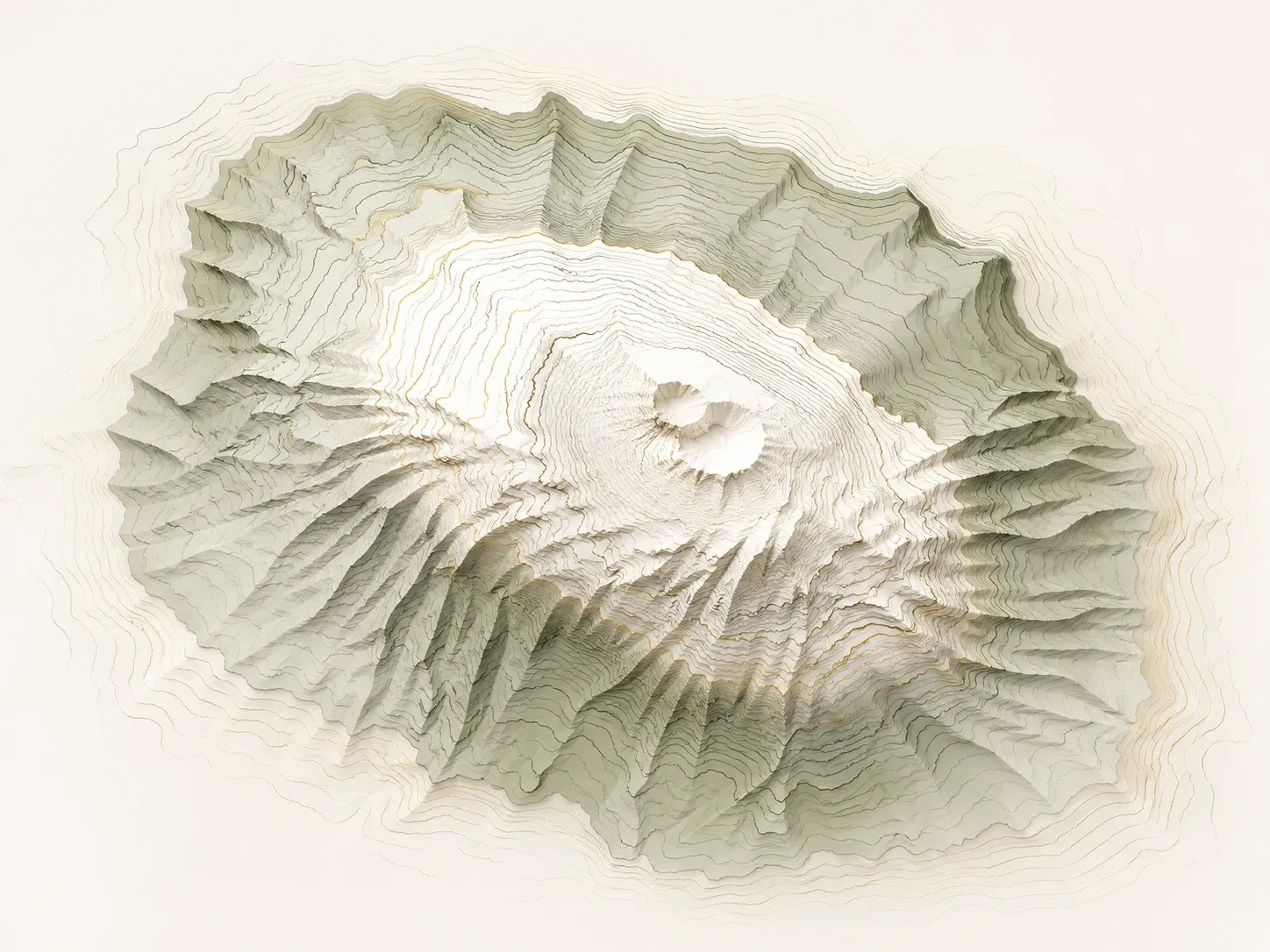
Why the line bends this way
The route climbs from the southwest, crosses the Shira area, uses Lava Tower for acclimatization, then joins the southern circuit through Barranco, Karanga and Barafu before descending via Mweka.
The standard 7-day Machame route, camp by camp. Every trip is adjusted to your fitness, dates and chosen itinerary length.
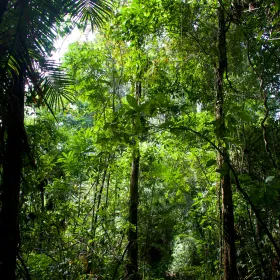
Machame Gate (1,640m) → Machame Camp (3,020m)
Machame’s trail climbs directly from the gate through dense montane rainforest — a more immediate ascent than the gentler approaches used on other routes. Expect roots, mud in wetter months, and good odds of spotting colobus monkeys.
Note: This is a longer first day than most routes. Pace yourself early rather than trying to keep up with faster groups — there’s no benefit to reaching camp first.
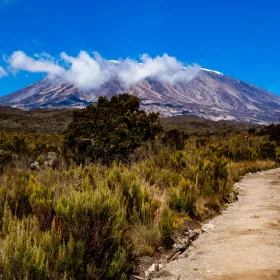
Machame Camp (3,020m) → Shira 2 Camp (3,750m)
The forest thins into heath and moorland as the trail climbs onto the Shira Plateau, with your first real views back over Tanzania and ahead to Kibo’s summit.
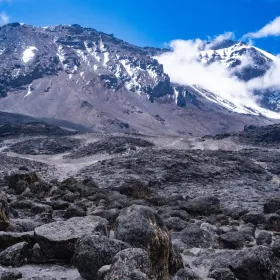
Shira 2 Camp (3,750m) → Barranco Camp (3,976m)
The classic acclimatization day: the trail climbs up to the Lava Tower (around 4,600m) for lunch, then descends to sleep at Barranco Camp — letting your body adjust to thinner air before it has to spend the night there.
Note: Expect some breathlessness or a mild headache near Lava Tower — that’s the altitude, not a problem, and it should ease as you descend to camp.
Acclimatization hike: Shira 2 Camp (3,750m) up to the Lava Tower (≈ 4,600m) for lunch, then down to Barranco Camp (3,976m) to sleep — a net gain for the night of only about 225m despite touching 4,600m during the day.
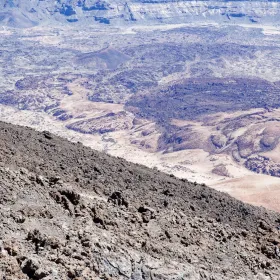
Barranco Camp (3,976m) → Karanga Camp (3,995m)
An early start to scramble up the Barranco Wall — steep-looking but a straightforward, non-technical hands-on-rock scramble that takes roughly an hour. A shorter, undulating walk to Karanga follows.
Note: Start as early as you comfortably can — the Wall gets congested once several groups converge on it at the same time, and Machame is the busiest route on the mountain.
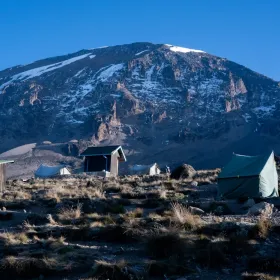
Karanga Camp (3,995m) → Barafu Camp (4,673m)
A shorter day to Barafu, the last camp before the summit push. Your crew has camp ready when you arrive — rest, an early dinner, and sleep as much as you can before a midnight start.
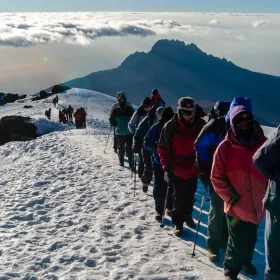
Barafu Camp (4,673m) → Mweka Camp (3,068m)
A midnight departure, timed to reach Uhuru Peak (5,895m) around sunrise, followed by a long descent — first back to Barafu, then on down to Mweka Camp. The longest and hardest day of the climb, both physically and mentally.
Note: Most descent injuries happen on this day, from fatigue rather than terrain — take the way down slowly and use trekking poles.
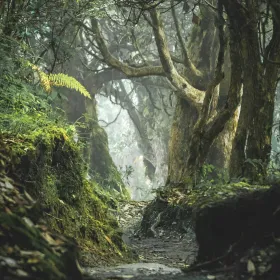
Mweka Camp (3,068m) → Mweka Gate (1,640m)
A final, easy descent back through the rainforest to Mweka Gate, where you’ll collect your summit certificate before the transfer back to your hotel.
The 7-day itinerary splits the Karanga-to-Barafu stretch into two separate, shorter days instead of one long one, giving a real acclimatization advantage for the extra day on the mountain. We’d recommend it for most climbers, especially first-timers.
Both cross the Barranco Wall and share a similar acclimatization shape. Machame starts lower, at Machame Gate, with a more direct rainforest climb on day one, and is the busier of the two routes. Lemosho starts higher via a western approach across the Shira Plateau, with a quieter, more gradual start.
See the Lemosho routeCamping throughout — Machame has no huts. Marangu is the only Kilimanjaro route with hut accommodation.
Around 62km (37 miles) on the 7-day itinerary, with a total elevation gain of roughly 4,900m from the gate to the summit.
Yes — on day 4 of the standard itinerary. It looks intimidating from below but is a straightforward, non-technical scramble that takes about an hour.
Moderate to challenging — the direct first day and the steady daily elevation gain make it a bit more demanding than Lemosho’s gentler pacing, though still well within reach for a reasonably fit first-timer on the 7-day itinerary.
A quieter, more gradual western approach with excellent acclimatization and less traffic than Machame.
ExploreThe "Coca-Cola Route" — the only route with sleeping huts instead of tents, and generally the most affordable.
ExploreEvery route compared, fitness guidance, altitude safety, packing lists and more, all in one place.
ExploreGrateful experience
As a solo female traveler, I felt super safe and well taken care of the entire time.
Read morePrivate Safari 6 days
I can only highly recommend the young company Tanzalux for organizing a private safari.
Read moreAn unforgettable vegetarian journey with Tanzalux Safaris
I highly recommend Tanzalux for anyone wanting a special, personalized safari.
Read moreOur 3-day camping safari with Tanzalux was simply fantastic! Everything was perfectly organized.
Read moreBack in April, I joined a day trip to Tarangire National Park with Tanzalux Safaris, and it was truly one of the best experiences I have ever had…
Read moreI've had an amazing experience with Tanzalux Safaris, would 1000% recommend! Thank you for making my trip so special🫶
Read moreI recently visited Meru Waterfalls in Arusha and got to do some of the activities there, honestly it was such a great experience and I really enjoyed it.
Read moreOur guide Dullah Mr Rastaman had the best vibe. I would like to recommend other people not to miss it, Tarangire is the best national park.
Read moreOur tour guide Nasri was very friendly and welcoming from the first day we met him. He knows Tarangire very well and explained many things during the safari.
Read moreAs a grandmother in the group, I would like to share my happiness with Tanzalux Safaris. Me, my daughters, and my grandson went on a short trip to Tarangire National Park…
Read moreTell us your preferred itinerary length and dates and we'll build your climb — no obligation.