5.0 Excellent
What Luxury Actually Means on a Serengeti Safari
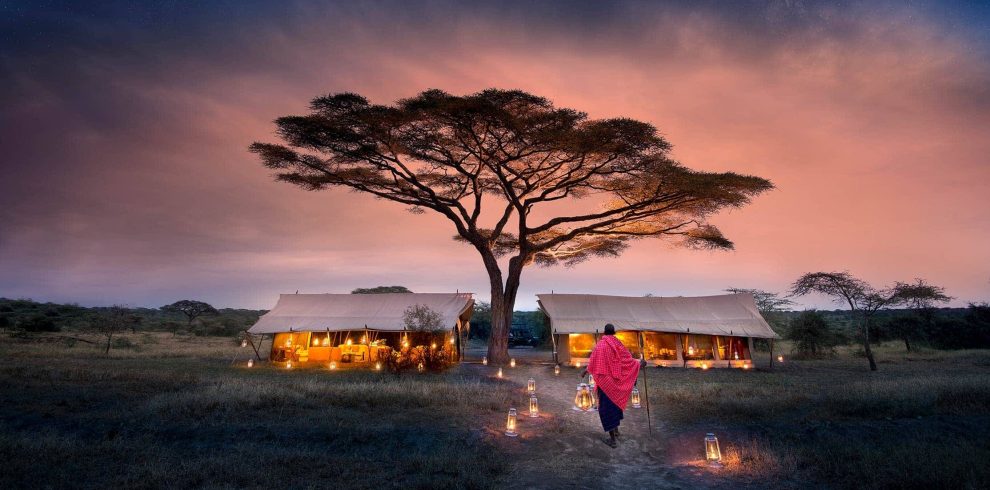
The Serengeti doesn't need embellishing — it's a genuine UNESCO World Heritage Site covering roughly 14,763 km², part of an ecosystem that stretches north into Kenya's Maasai Mara. What actually changes when you book it as a luxury trip isn't the park; it's how you experience it.
What "luxury" actually changes
Three things, mainly. A private vehicle instead of a shared one, so a sighting worth stopping for doesn't get cut short by someone else's schedule. Flexible timing — an early departure for a river crossing, a late return after a good sighting — instead of a fixed itinerary. And camp comfort that holds up after a full day in the heat and dust: a proper bed, hot water on demand, food that's actually good rather than just filling.
None of that changes what you see. It changes whether you're rushed past it.
When to go, matched to what you want to see
The Serengeti doesn't have a single "best" month — it depends what you're chasing:
July–September — the Mara River crossings, in the northern Serengeti. The classic image: herds fording the river with predators waiting.
January–March — calving season on the southern plains around Ndutu. Newborn wildebeest and the predator action that follows.
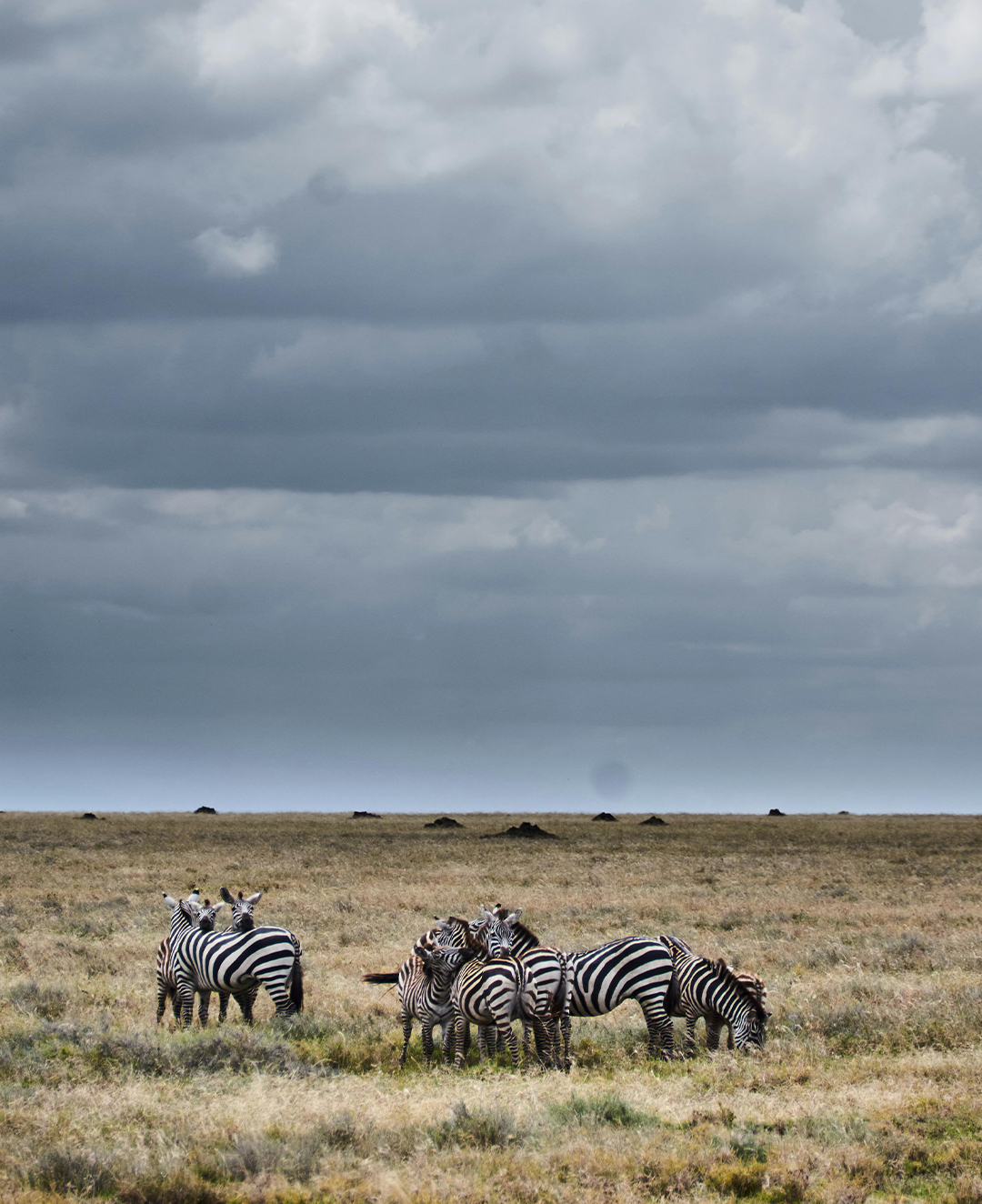
November–May — the green season. Fewer vehicles at each sighting, dramatic skies, lower rates — with a real chance of rain most days.
See our full best-time-to-visit breakdown for the decision layer, or the interactive month-by-month guide on our main safari page for exact detail.
What you'll actually see
All five of the Big Five are resident across the northern circuit's parks, though rhino sightings are genuinely rarer than the other four — Ngorongoro Crater is really the only reliable spot for them. Lion and elephant are close to certain sightings on a multi-day safari; leopard and cheetah take patience and a sharp-eyed guide.
What's included on a TanzaLux Serengeti safari
Every trip is privately guided, not grouped with strangers, and built around your dates rather than a fixed departure calendar. Camping options exist for travelers who want a closer-to-the-bush feel without the lodge price tag — see our camping safari page for how that compares.
Frequently Asked Questions
How many days should I spend in the Serengeti?
Three to five days is realistic for a first visit — enough time to actually settle into a rhythm rather than just passing through. Our route templates show how this usually fits into a longer circuit.
Am I guaranteed to see the Big Five?
No responsible operator can guarantee wild animal sightings — but across a multi-day safari, seeing four or five of them is realistic. Rhino is the hardest, since Ngorongoro Crater is really the only reliable spot.
Can I combine the Serengeti with other parks?
Yes — it's usually done as part of the Northern Circuit, alongside Ngorongoro Crater and Tarangire, sometimes with a Zanzibar extension after. See our popular routes guide for how these combine.
What should I pack?
Neutral-colored clothing, a warm layer for early game drives (mornings on the plains are cooler than you'd expect), sunscreen, and binoculars if you have them — camps generally have a pair to lend if you don't.
Ready to start planning?
Tell us your dates and what you're after — no obligation.